How to Calculate How Much Electricity an Appliance Uses
Multiply watts by hours of use and divide by 1,000 to get kilowatt-hours, then multiply by your price per kWh. Worked examples for a heater, a TV and a fridge.
Multiply watts by hours of use and divide by 1,000 to get kilowatt-hours, then multiply by your price per kWh. Worked examples for a heater, a TV and a fridge.
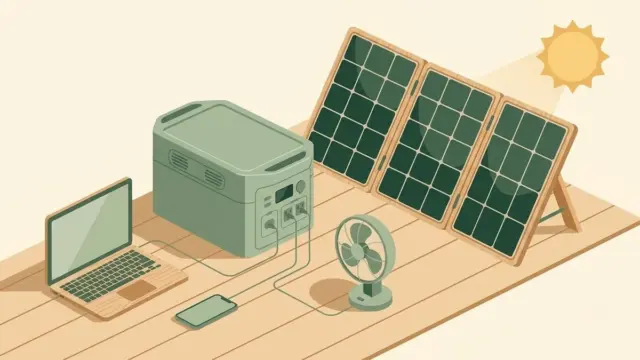
Add up the watt-hours you use in a day, allow for losses, and check the output in watts covers what runs at once. A worked example for a power cut.
The US EPA says ENERGY STAR certified smart thermostats save about 8 percent on heating and cooling bills on average. How they save, and how to estimate it.
Multiply length by width by depth in feet, then divide by 27. Worked examples for mulch, soil and gravel, plus a quick table and the metric version.
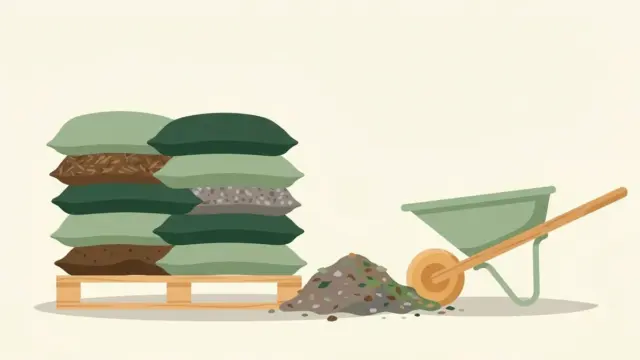
A cubic yard is 27 cubic feet, so it takes 36 bags of 0.75 cu ft, 27 of 1 cu ft, 18 of 1.5 cu ft or 13.5 of 2 cu ft. Table and metric equivalents.
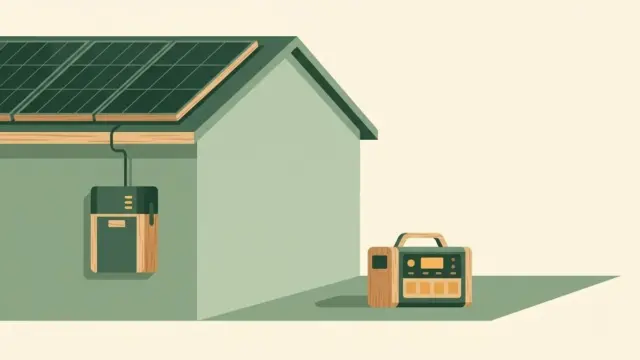
A solar generator is a portable battery you plug devices into. A home battery is installed and wired into your electrical panel. How they differ on size, cost and setup.
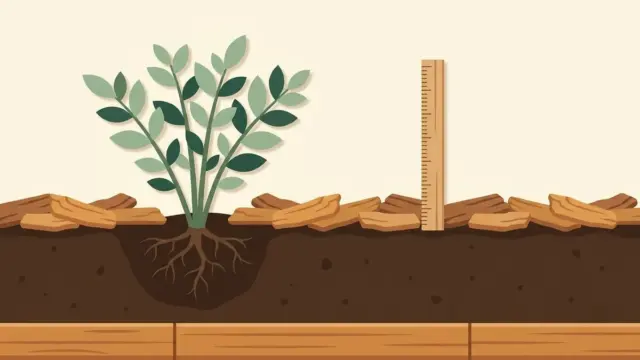
Most beds need 2 to 3 inches (5 to 7.5 cm) of mulch. See the right depth for bark, wood chips, compost, gravel and straw, and what happens if you go too deep.
Bark mulch looks neater and lasts longer; wood chips cost less and suit paths and trees. Compare the two on price, lifespan, looks and where each works best.
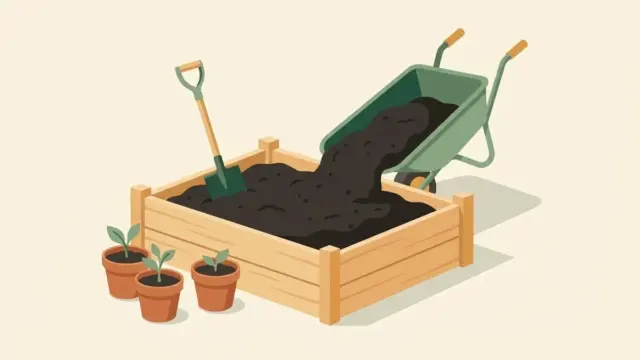
Work out the soil for any raised bed: inside length times width times depth. Includes a chart for common bed sizes in cubic feet, cubic yards and litres.
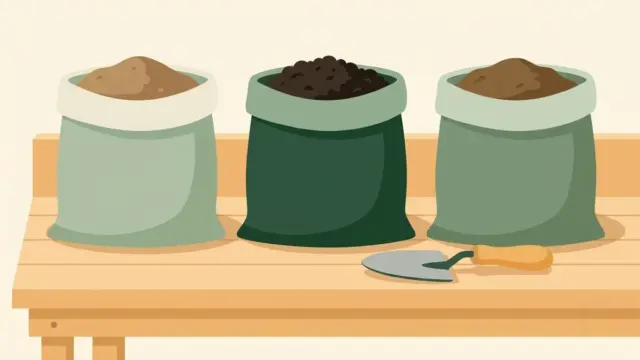
Topsoil gives bulk and structure, compost feeds, garden soil is a blend of both, and potting mix is for containers. Learn which to buy for each job.