Pea Gravel vs Crushed Stone: Which One for Your Project?
Pea gravel is round, smooth and comfortable; crushed stone is angular and locks together. See which suits paths, patios, drainage and driveways.
Pea gravel is round, smooth and comfortable; crushed stone is angular and locks together. See which suits paths, patios, drainage and driveways.
A gravel driveway needs 4 to 6 inches of compacted base plus 2 to 3 inches of surface stone. See worked examples in tons and tonnes for common driveway sizes.
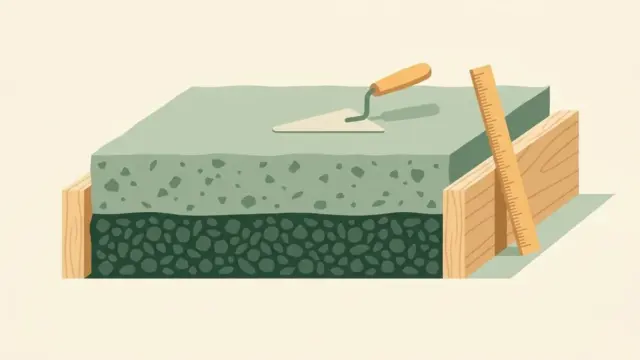
Patios and paths are usually 4 inches (100 mm) thick; driveways 5 to 6 inches (125 to 150 mm). See typical thicknesses, base depth and control joint spacing.
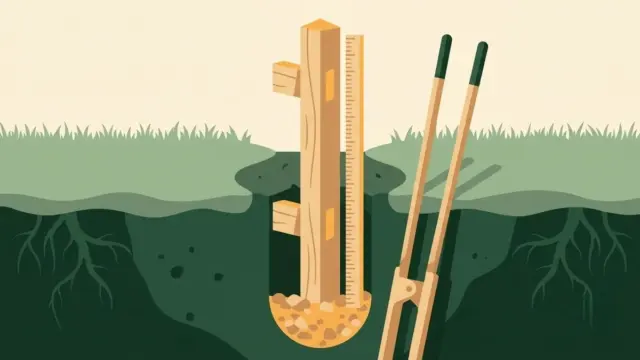
Bury one third to one half of the fence height: 2 to 3 feet (60 to 90 cm) for a 6 foot fence. Includes hole width, frost depth and concrete per post.
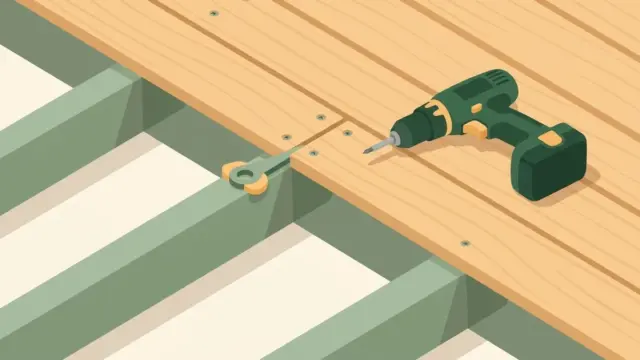
Most deck boards need a gap of 1/8 to 1/4 inch (3 to 6 mm). Learn how timber moisture and composite expansion change the gap, and how it affects board count.
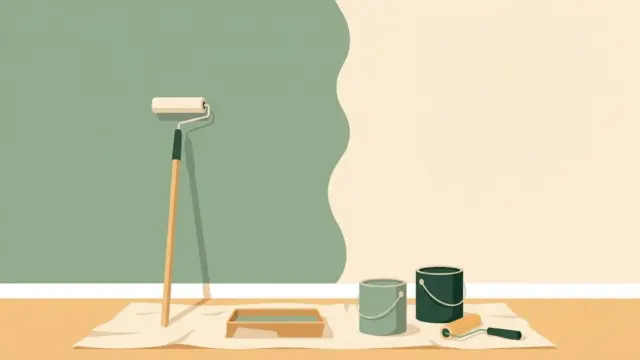
An average bedroom needs about 2 gallons (5 to 6 litres) for two coats on the walls. See a chart by room size and the four-step method to work out any room.
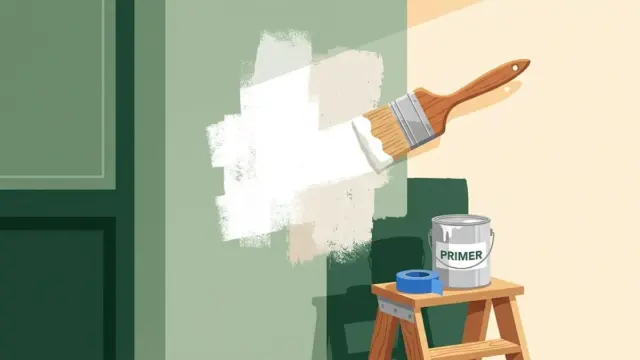
Prime new drywall, bare plaster, bare wood, stains and big colour changes. Skip primer on clean, sound, previously painted walls. A quick guide to deciding.
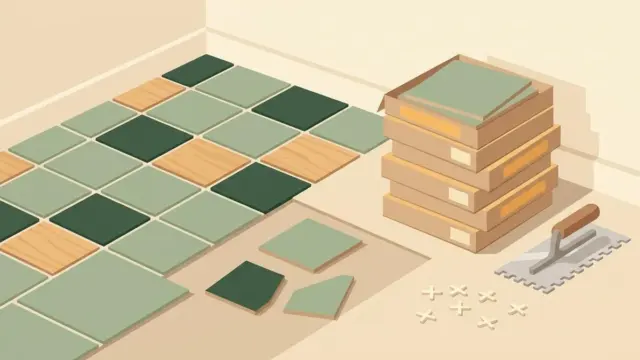
Buy 10 percent extra tile for a straight layout and 15 percent for diagonal or herringbone. See why, when to go to 20 percent, and how to count boxes.
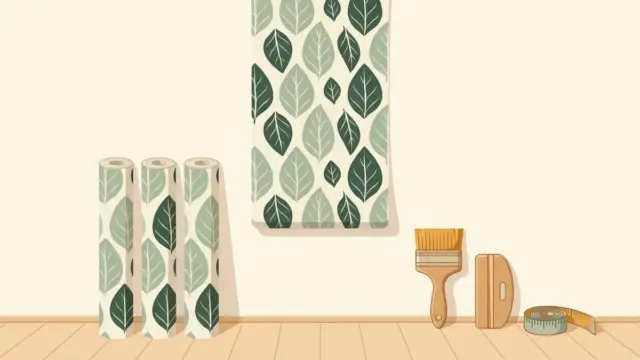
Count strips, not square feet. Learn the strip method, how pattern repeat changes the answer, and see a chart of rolls by room size for standard rolls.